Arctic intelligence for infrastructure operators.
Click anywhere in the Arctic to start
What is at risk in the Arctic?
The ground operators build on is thawing, burning, and flooding faster than the models assumed. The numbers are not small.
Sources: Yumashev et al. 2019, Alaska DGGS, Rantanen et al. 2022, Canadian National Fire Database.
What industries are affected by the environment in the Arctic?
Mining
Pit-wall stability, tailings dams, and haul roads on thawing permafrost and seasonal frost.
Oil & Gas
Pipeline integrity, pad stability, and thaw settlement across continuous permafrost terrain.
Maritime & Shipping
Sea ice forecasts, navigation windows, port accessibility, and route risk for Arctic voyages.
Telecom & Connectivity
Cellular coverage gaps, tower placement analysis, satellite fallback options, and signal modeling.
Research & Academia
Fast access to multi-source Arctic datasets with no API juggling, perfect for field planning and analysis.
Government & Defense
Sovereignty monitoring, SAR mission planning, environmental baselines, and Arctic situational awareness.
Where does the data come from?
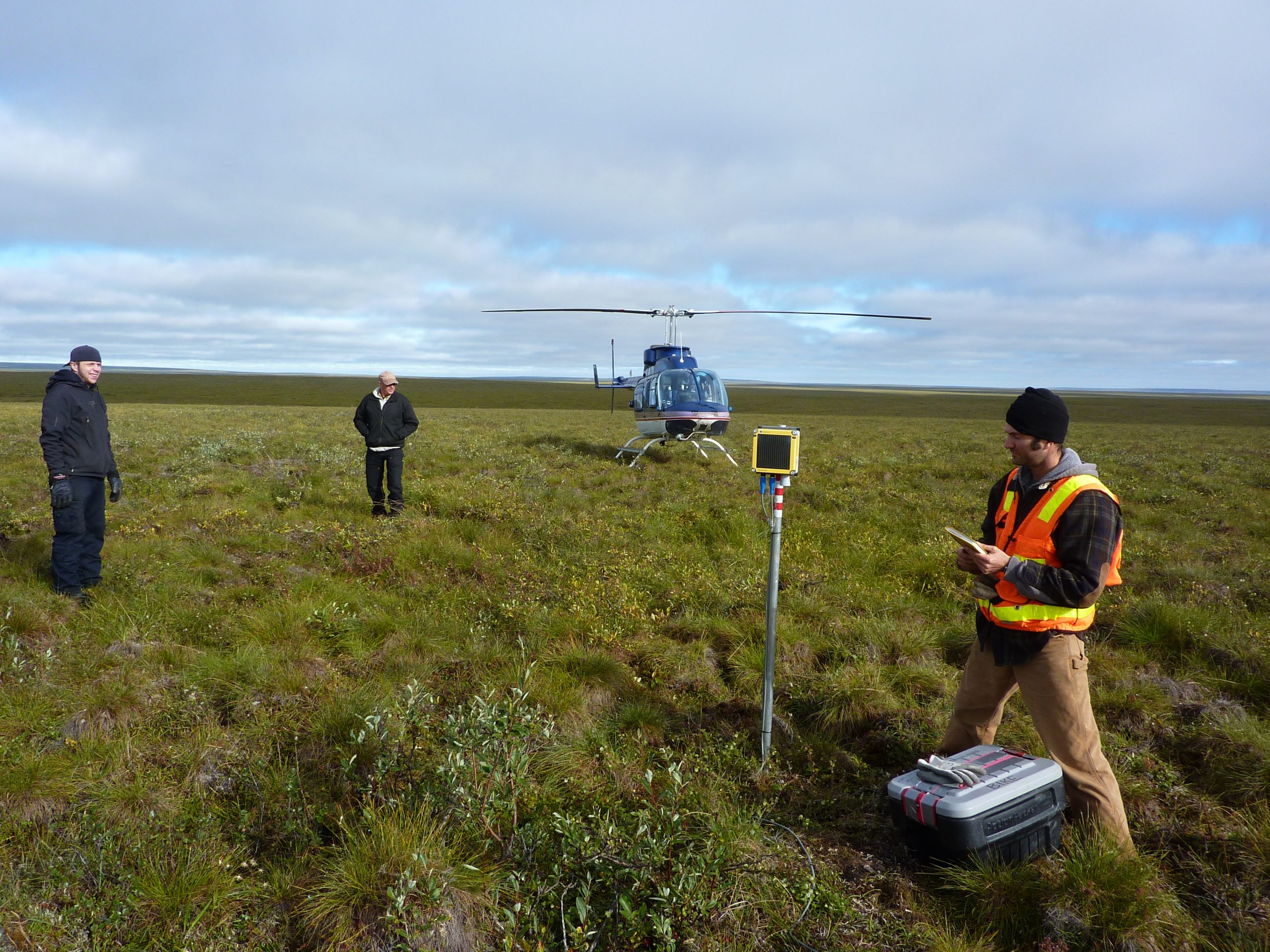
Ready to monitor your site continuously?
Circumpolar.ai connects to beadedcloud, a site monitoring platform built for Arctic infrastructure. Track temperature, deformation, and sensor alerts from any browser.
Built by the beadedcloud team. 700+ Arctic sites already streaming live data.
Point your AI agent at BeadedCloud
Connect Claude, ChatGPT, or Gemini over MCP and ask in plain language. General tools analyze any sensor or time-series you bring; get_permafrost returns structured permafrost data for any Arctic coordinate; industry demo packs (asset integrity) show worked examples. No account or key needed for the public demo.
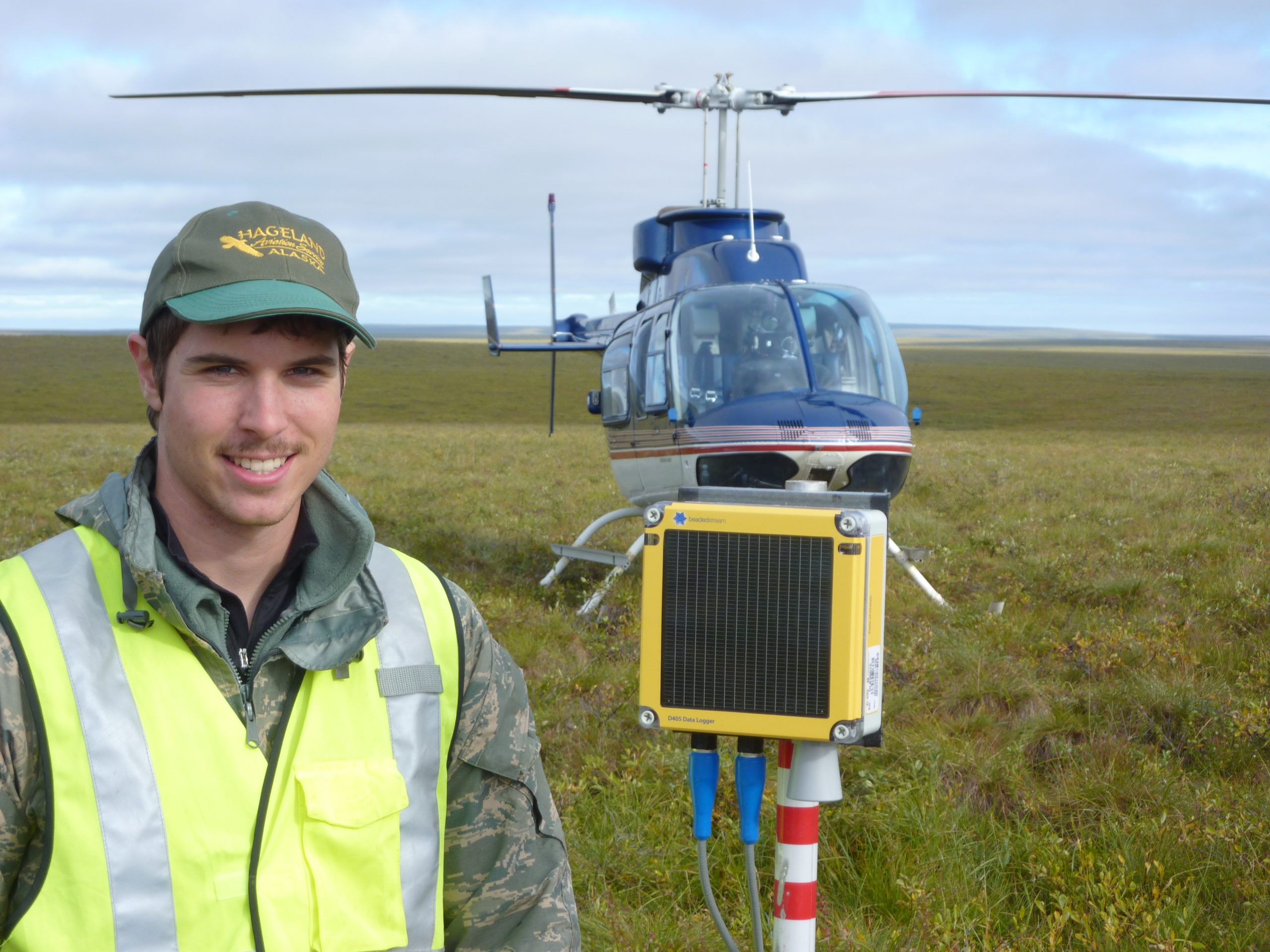
How do I turn insight into action?
Circumpolar gives you satellite and model data. When you're ready to monitor a specific building, pipeline, or embankment in real time, beadedcloud connects your site sensors and triggers alerts before damage occurs.
Any sensor
Temperature probes, tiltmeters, crack gauges: beadedcloud ingests them all over LoRaWAN, Iridium, or LTE.
Real-time alerts
Threshold-based alerts go to your team via email or SMS the moment anomalous readings are detected.
Audit-ready logs
Every reading is timestamped and stored. Regulators, insurers, and engineers all get the same data.
Can I get permafrost data in one request?
Alaska and Canada permafrost zone, thaw risk, ground temperature, and active layer thickness, with confidence intervals.
curl "https://circumpolar.ai/api/v1/permafrost\
  ?lat=64.84&lng=-147.72&date=2050-06-01" \
  -H "Authorization: Bearer cpol_YOUR_KEY"

{
  "date": "2050-06-01",
  "zone": "discontinuous",
  "risk": { "score": 0.65, "label": "High" },
  "mean_annual_ground_temperature_c": {
    "estimate": 2.2,
    "low": -1.5, "high": 5.9,
    "confidence": 0.37
  },
  "active_layer_thickness_m": {
    "estimate": 2.3,
    "low": 1.3, "high": 3.4,
    "confidence": 0.37
  }
}
Ground temperature
MAGT with confidence intervals.
Active layer thickness
Low/high range reflects seasonal and site variability.
Thaw risk score
Useful for rapid triage of infrastructure sites across a portfolio.
What do we stand for?
Seek truth through data
Every claim traces to a measurement and a named source.
Build the unprecedented
Tools that did not exist for the Arctic before.
Want early access to Circumpolar?
We are onboarding a limited cohort of infrastructure operators & experts. Let us know what you are working on!